San Antonio, Texas
HQ USAF 1105 MP Group Randolph AFB TX.
San Antonio, Texas
In December 1966, I left Omaha behind and headed west. Before settling into my new assignment in San Antonio, Texas, we made a meaningful detour to California to celebrate Christmas with Madeline’s family. The holiday was joyful, filled with warmth, laughter, and the comforting presence of loved ones. After years of moving from base to base, those family gatherings had become especially precious to me.
When the celebrations ended, we faced yet another transition. I reported for duty in San Antonio, a city steeped in history and tradition. The Alamo, the River Walk, and the Spanish missions gave the city a distinctive character, blending deep Mexican roots with a proud Texas heritage.
My Air Force assignment in San Antonio brought new responsibilities and a change in routine, moving me away from the Intelligence Data System work I had done previously. I began training as a systems analyst, working with more advanced computer operations and systems management.
For our family, the move was both exhilarating and daunting. The children were growing, and their needs were becoming more demanding. Finding good housing and schools and establishing a stable family routine became priorities alongside my new role. Shortly after we arrived, our youngest, Lisa, came down with pneumonia and had to be hospitalized. Fortunately, San Antonio had some of the best military hospitals, and Madeline, as always, showed remarkable resilience, managing the household, helping the children adjust, and keeping us grounded amid the constant changes of military life.
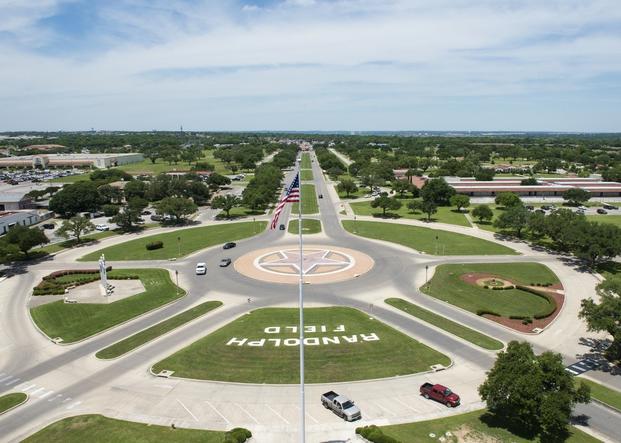
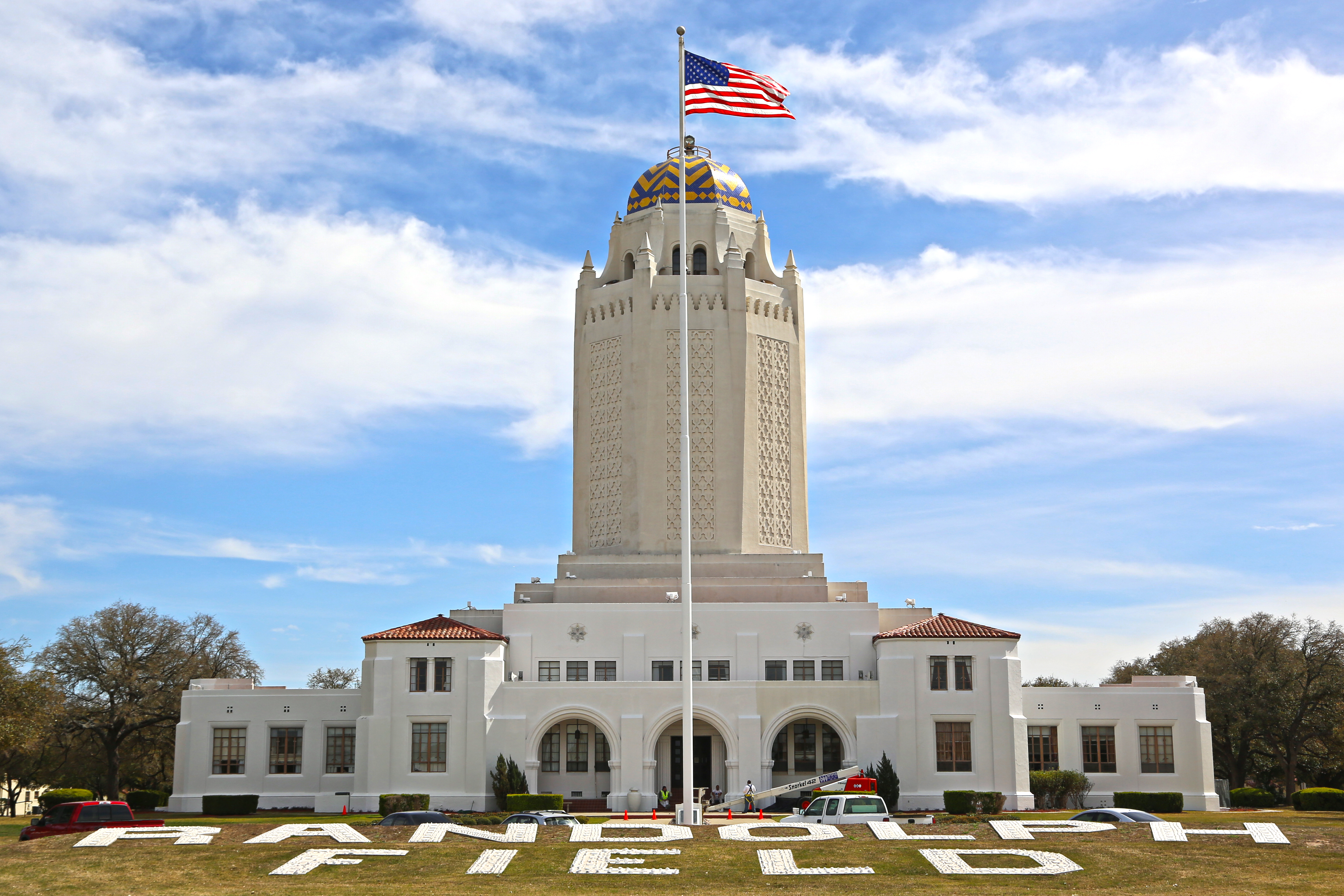
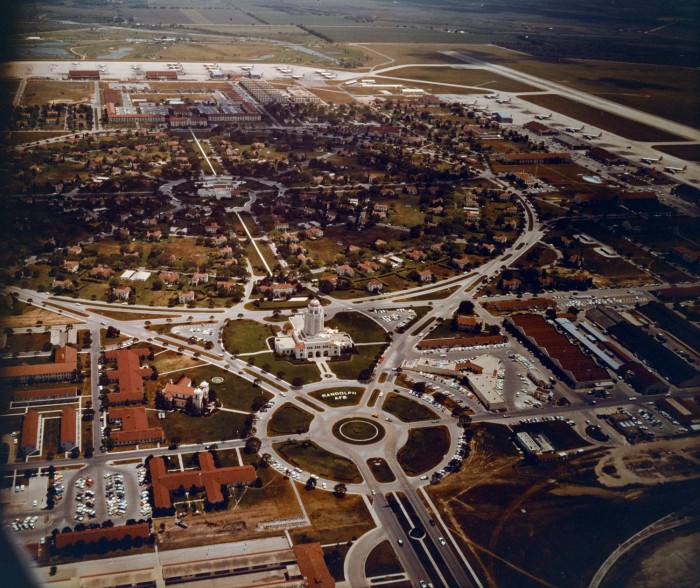
I soon discovered that base housing had a long waiting list with no guarantee of availability, so I had to look for a house near Randolph AFB. A sergeant suggested that buying might be more economical than renting and pointed me toward a new housing development nearby. There, we found our first home, a brand-new three-bedroom house in a pleasant neighborhood with community pools. In 1967, I became a homeowner for the first time, with a mortgage of $11,000 and a monthly payment of $99. We settled in quickly, enrolling Julie and Yvonne in school, while Madeline focused on caring for Mark and Lisa and keeping our new home running smoothly.
My immediate superior was a colonel, and our team consisted of two technical sergeants and four staff sergeants. As the senior enlisted member, I reported directly to the colonel. Our work as systems analysts involved analyzing and designing efficient software solutions to support our mission. We evaluated information systems, worked closely with end-users, software vendors, and programmers, and ensured projects met their objectives. We also assessed system performance, recommended new technologies, developed test procedures, and oversaw the implementation and maintenance of new or improved systems.
San Antonio quickly endeared itself to us. The warm climate was a welcome relief from Omaha’s harsh winters. The food, music, and friendly people made it easy to feel at home and gave our family a place where we could truly thrive, even as my military career continued to shape our lives. At the time, the city was undergoing a major transformation, preparing for HemisFair ’68, a world’s fair that spurred urban renewal. Madeline and the children adapted quickly, forming friendships with neighbors and their children. It always impressed me how easily military kids adjusted to change and made new friends wherever they went.
We began exploring the city’s attractions, starting with Mission San Antonio de Valero, better known as The Alamo. The other missions were not as popular yet, though that changed after HemisFair opened. Madeline fell in love with the River Walk along the San Antonio River. It was a wonderful place to visit in the evenings, to sit and listen to mariachi music, and to enjoy dinner at one of the small restaurants. In 1967, the River Walk had only a few restaurants and shops, but it expanded rapidly as HemisFair approached. Every chance we had, we went down to the River Walk, and after the fair opened, we visited as often as possible.
I also made time for my own outdoor pursuits. Texas offered excellent hunting and fishing, and I took full advantage. I went deer hunting at Camp Bullis and fished in many of the lakes and reservoirs in the area. Hunting at Camp Bullis could be nerve-wracking, since the Army used it to train Combat Medics, and in the early-morning darkness it was easy to trigger a training booby trap that could scare the life out of you. I learned to always carry a strong flashlight and move carefully.
One memorable day, when Lisa was two years old, she and Mark went exploring in the field behind our house. The field was covered in tall weeds, some taller than Lisa, and the ground was wet and muddy. Lisa got stuck, lost a shoe, and became separated from Mark. Panicked, Mark searched for her but couldn’t see through the tall weeds. I heard her crying and rushed out to help. By the time I arrived, Mark had just found her, and both of them were crying with relief. Once they were safe and cleaned up, it was time for their milk break and Lisa’s favorite TV show, “Buck Owens and the Buckaroos.” Every evening she would pull out her little chair, sit with a glass of milk, and watch until the show ended, ready for bed afterward.
We spent three wonderful years in San Antonio. During that time, I reconnected with my cousin Gilbert Ayala, who was stationed at Kelly AFB. I also visited with my mother’s aunt, Josephine Sepulveda, and her family. By then, my great-uncle Jesse Sepulveda had passed away, and I regretted not seeing him one more time; he and Aunt Josephine had always been very special to my mother. My mom came to visit us and spent six days with her aunt, and together they even took a short trip to Josephine’s hotel in Monterrey, Mexico.
My work schedule was excellent—Monday through Friday, 8 to 5—which allowed me to spend more quality time with my family. Madeline, as always, had her hands full caring for Mark and Lisa while keeping the household running smoothly. To supplement our income, I decided to take a part-time job and was fortunate to find one at Gross National Bank in downtown San Antonio. There, I helped run their computer system, processing balance ledgers and other financial documents alongside another Air Force airman. It was an excellent position, right by the River Walk with a clear view of the HemisFair construction site. The greatest benefit of that part-time job was the experience I gained in banking operations and federal financial regulations, knowledge that later proved invaluable in my civilian career.
In June 1970, I was informed that the Air Force could no longer defer my overseas assignment. I had completed my travel restriction period, and it was time for a new tour of duty. I received orders for a one-year assignment in Vietnam with the 31st Combat Support Group (TAC), stationed at Tuy Hoa, Republic of Vietnam, reporting in August 1970. Once again, Madeline and I prepared ourselves for another year-long separation, a challenge that had become all too familiar in our military life. She decided to move to California with the children to be closer to her parents while I fulfilled my Vietnam tour. Having her family’s support nearby gave her comfort and stability during my absence and provided the children with the love and attention they needed while their father was serving overseas.
Republic of Vietnam
31st Combat Support Group (TAC) Tuy Hoa RVN
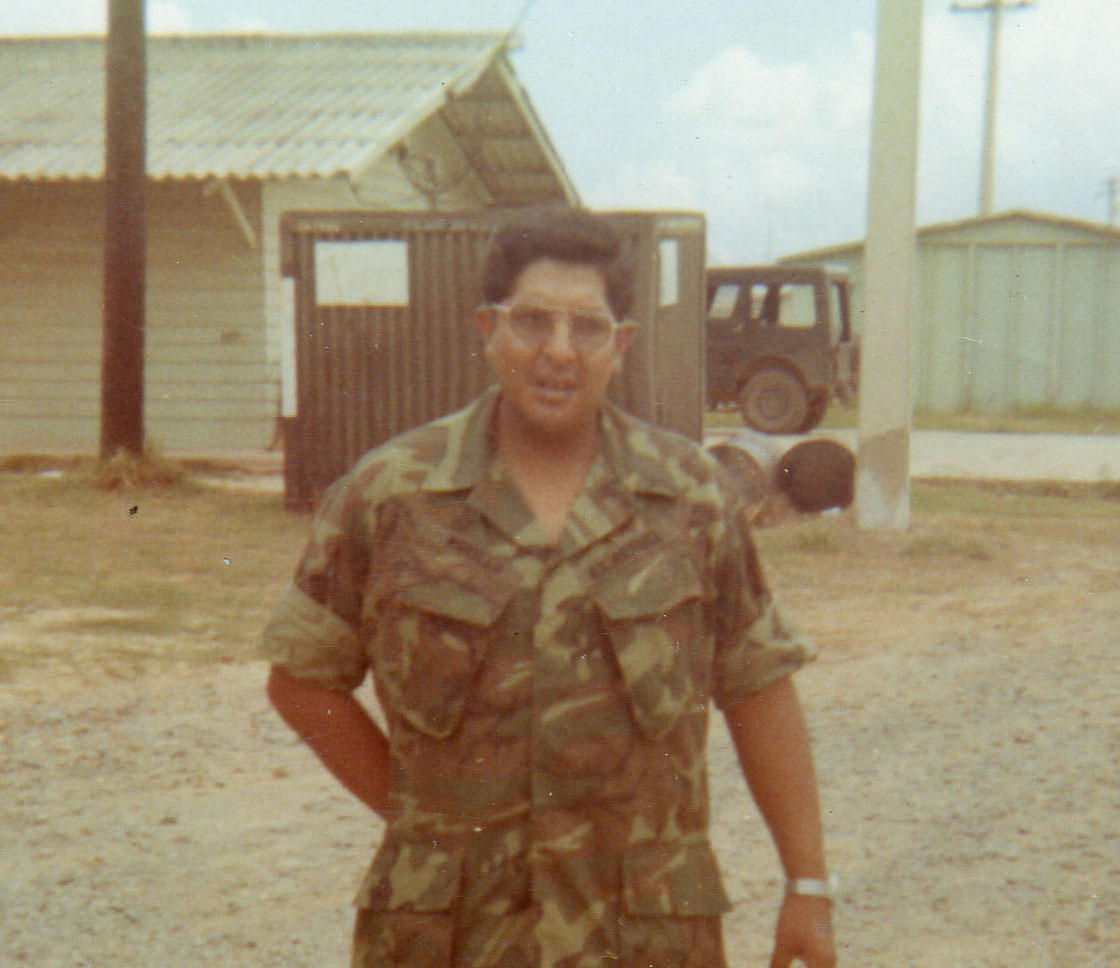
Tuy Hoa, Vietnam
In July 1970, I left San Antonio, Texas, and drove my family to California so we could settle near Madeline’s parents before my tour in Vietnam. When my thirty days of leave ended, Madeline and her parents drove me from their home in Wilmington, California, to the airport. The drive wasn’t long, but it felt stretched out, heavy with the kind of quiet, controlled farewell that military families know too well. There were no tears, no dramatic scenes, just a shared, unspoken strength and understanding.
From Los Angeles, I flew north to McChord Air Force Base in Washington, my departure point for Southeast Asia. My uncle Ralph, whom we called “Kayo,” picked me up at the airport, and I spent the night at his home in Bellevue. Early the next morning, he drove me back to McChord, and we said our goodbyes. His kindness gave me a small sense of home before I stepped into the unknown.
Inside the terminal, I reported to a sergeant who was organizing a group of men bound for Vietnam. After a while, several of us were rounded up and taken to an orientation room for preliminary instructions and paperwork. Soon we were told to stand by for departure, experiencing the military's infamous “hurry up and wait.” On August 17, 1970, we finally boarded a civilian Boeing 707; we stopped first in Hawaii, where we remained on board, then in Okinawa, where we were allowed into the terminal to stretch our legs before reboarding for the final leg. When we landed at Tan Son Nhut Air Base, I felt the weight of the moment. We had arrived in what was considered a pacified area of Vietnam, but many of us believed we were at the edge of real danger and braced for our first war experience as we prepared to deplane. Nothing happened, and we walked calmly down the stairs onto the tarmac—until the heat and smell hit me like a furnace. For a few seconds it was hard to breathe, and I thought, if this is what it’s like every day, I’m finished. The human body is remarkable, though; in a few days I began to adapt, but I never forgot that first suffocating blast of tropical air.
In the orientation hangar, I learned I would be flying to Cam Ranh Bay and then on to Tuy Hoa Air Base, my assigned duty station. The next day, I boarded a twin‑engine C‑123 for the short flight to Cam Ranh Bay in the central highlands. There I was assigned a bed in the transit barracks near the airfield while I waited for the next flight to Tuy Hoa. That night, Cam Ranh became my unwelcome introduction to the war when the base came under mortar and rocket attack; confused and terrified, I froze until a sailor waiting for transport to Saigon yelled, “Hit the deck!” The following morning, I caught my flight to Tuy Hoa, again in a C‑123.
To my surprise, Tuy Hoa Air Base looked much like a stateside base, though older. The roads were paved, the buildings were solid, and there was even a movie theater, a gym, and a large Base Exchange. Our barracks had real bunk beds and running water in the latrines, a level of comfort I hadn’t expected. The base sat on a flat, sandy plain near the South China Sea, with low mountains about seven miles away, and between us and those hills stretched miles of rice paddies dotted with small villages. The Viet Cong operated from the mountains and from some of those villages, and that knowledge kept everyone on edge.
When I reported in, I was assigned living quarters that were a little more rundown than some, but good enough. I was issued my flak jacket, steel helmet, pistol, and M‑16 rifle and shown where the ammunition and grenades were stored. At work I met far more fellow airmen than I had expected: one senior master sergeant, one master sergeant, one tech sergeant, two staff sergeants, and about ten airmen. It seemed to me we were overmanned; there simply wasn’t enough work to keep everyone busy. I was assigned as the Security NCO, responsible for safeguarding the classified documents in the operations office, and although I didn’t work directly with the computer systems, I was tasked with delivering classified material to the MACV Advisory Group about fifteen miles north in Tuy Hoa City.
We traveled either by jeep or Chevy van, always armed and ready. The tensest moments came at the bridge manned by ARVN (South Vietnamese Army) guards, who sometimes gave us trouble until my gunners raised their weapons, at which point the guards backed down quickly. By late 1970, the Air Force was phasing down operations at Tuy Hoa, preparing to turn the base over to the U.S. Army. I helped inventory equipment and escorted shipments of classified material to other bases aboard C‑123s, C‑130s, C‑7 Caribous, and helicopters. My most frightening moment came when a Huey carrying me back to Tuy Hoa was diverted to pick up wounded soldiers from a camp under attack; we landed under fire, loaded three wounded men, and lifted off in minutes that felt like hours, bullets tearing through the air. I have never forgotten the courage of those aircrews who flew those missions day after day.
I arrived at Tuy Hoa in late August 1970, and by October 15 the 31st Tactical Fighter Wing had redeployed to the United States. The Army moved in units from the 4th Infantry Division at Pleiku, along with their aviation units from Phu Hiep Airfield. By January 1971, the base was officially handed over and renamed U.S. Army Airfield, Tuy Hòa.
In late January 1971, I received orders to report to Headquarters, 7th Air Force, at Tan Son Nhut Air Base in Saigon. Two weeks later, I boarded a C‑130 southbound for my new assignment.
Tan Son Nhut Air Base, Saigon, Vietnam
Tan Son Nhut was huge and constantly buzzing with aircraft, vehicles, and people. After working my way through the confusion, I found my squadron and checked in; the base itself looked fairly modern, with good facilities and solid infrastructure. I wasn’t as lucky with housing and was assigned quarters in the old French section, where the hooch's were ancient and seemed to be held up mostly by the sandbags piled along their walls.
Once I got settled, I reported to my duty station and was pleasantly surprised. The building was air‑conditioned, clean, and comfortable, almost like being back in the States. My boss was a Senior Master Sergeant, and our commander was a full Colonel; together with eight other sergeants, we operated the Intelligence Data Handling System (IDHS), a secure facility that collected, processed, and distributed intelligence and targeting data to authorized Air Force and allied units. I was also designated as a classified courier, responsible for escorting and delivering sensitive materials, Vietnamese currency, and other documents to units across the country. It wasn’t glamorous; it was dangerous and thankless, and my boss, who was also a courier, disliked the flights as much as I did—every combat landing had him gripping his seat and muttering, “Why do they have to do that?” and I always answered, “So the bad guys have a harder time hitting us on approach.”
In February 1971, I had just landed back at Tan Son Nhut from a courier run when someone asked if I wanted to go home on R&R. I didn’t hesitate: “Yes.” The clerk told me, “If you can be at the terminal in twenty minutes, I’ll get you on the manifest and have your paperwork ready.” I sprinted to my hooch, grabbed my shaving kit, a clean change of clothes, and whatever else I could cram into my small bag, and a co‑worker rushed me to the Aerial Port Terminal; within thirty minutes I was on a charter flight bound for Los Angeles. I was still in my combat fatigues, as were about half the men on board; we made a quick stop in Japan, then flew straight on to California.
Landing at LAX and stepping back onto American soil after so long in Vietnam felt indescribable. I couldn’t wait to see Madeline. I called her—no answer. I tried my brother‑in‑law Jimmy—nothing. I dialed every number I had, but no one picked up. With no ride and no contact, I caught an airport shuttle to the Long Beach Bus Terminal, hoping to find my way home from there. At the terminal, two Marine MPs approached me and told me I was out of uniform, that fatigues were not allowed off a military installation, and that they would have to take me in. I quickly explained that I had just come in from Vietnam and hadn’t been able to reach anyone. They glanced at each other, and one finally said, “All right, take a taxi and get out of here.” I didn’t hesitate; I flagged down a cab and headed straight to our home in Wilmington, California.
When I arrived, the house was empty, so I sat and waited, still dusty from travel, my heart pounding with anticipation. When Madeline finally walked through the door and saw me standing there, the look on her face—shock and disbelief all at once—told me everything I needed to know. Soon the rest of the family gathered, surprised and overjoyed by my unexpected arrival. Those two weeks at home were some of the most peaceful and meaningful days of my life, filled with rest, laughter, and quiet moments with the people I loved. When it was time to return, Madeline and my brother Fred drove me back to LAX for my flight to Vietnam, and saying goodbye again was painfully hard.
Despite the dangers, life at Tan Son Nhut wasn’t bad. We had access to Saigon, with its restaurants, nightlife, and layers of history, and on base we enjoyed a well‑stocked NCO club, a movie theater, a bowling alley, and a good dining hall. I only went into downtown Saigon four times during my assignment, preferring the relative safety of the base. Looking back, Vietnam was a strange mix of war and normalcy—one day I was bracing through a combat landing, and the next I was sitting down to a steak dinner and a movie.
I finally completed my year in Vietnam, and on August 18, 1971, I boarded a Douglas DC‑8 headed back to March Air Force Base, California. My father‑in‑law picked me up at the airport and drove me to Wilmington, where I reunited with my family. After two weeks together, we packed up and drove to my new assignment at Headquarters, Air Force Accounting and Finance Center (HQ Command) in Denver, Colorado.