Kansas City MO and Alaska Air Defence Command
33rd Air Division NORAD
Richards-Gebaur Air Force Base
Arriving at Richards-Gebaur Air Force Base in the summer of 1960 marked a new beginning for our little family. After the heat and isolation of Zapata, Texas, Kansas City felt like an entirely different world. The base was larger, more organized, and far better equipped for families. We were relieved to find decent housing and a nearby hospital, which gave us a sense of stability and comfort that had been missing in South Texas. I was now assigned to Headquarters, 33rd Air Division, under the Aerospace Defense Command. My work still centered on radar operations, but now with a broader focus—overseeing air surveillance and coordination at a higher level. The base operated 24/7, and although the pace was intense, I took pride in contributing to the nation’s air defense during the height of the Cold War. The33rd Air Division Control center was located in a big light brown building with no windows. It had 3 floors above ground and on floor down. The 2nd and 3rd floors are open with walkway around with a few offices, the second floor contained the senior controller’s or command diesis. On one end was a huge rectangle world map plotting board and on the first floor was the communication and control diesis. The basement was the backup communications and control center, incase of a tornado or other emergencies. The walls are concrete bout 5 to 6 feet thick all the way around.
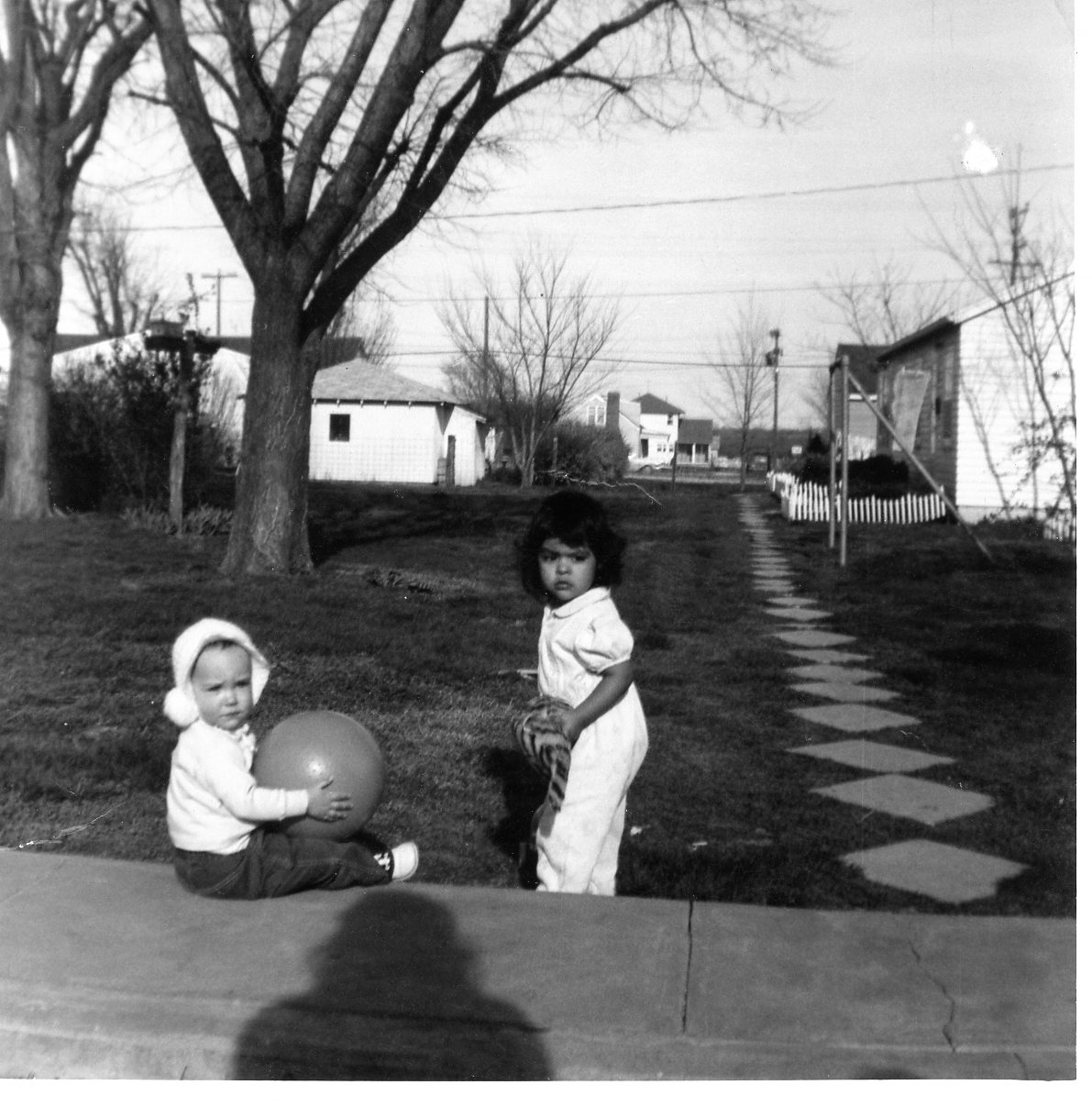
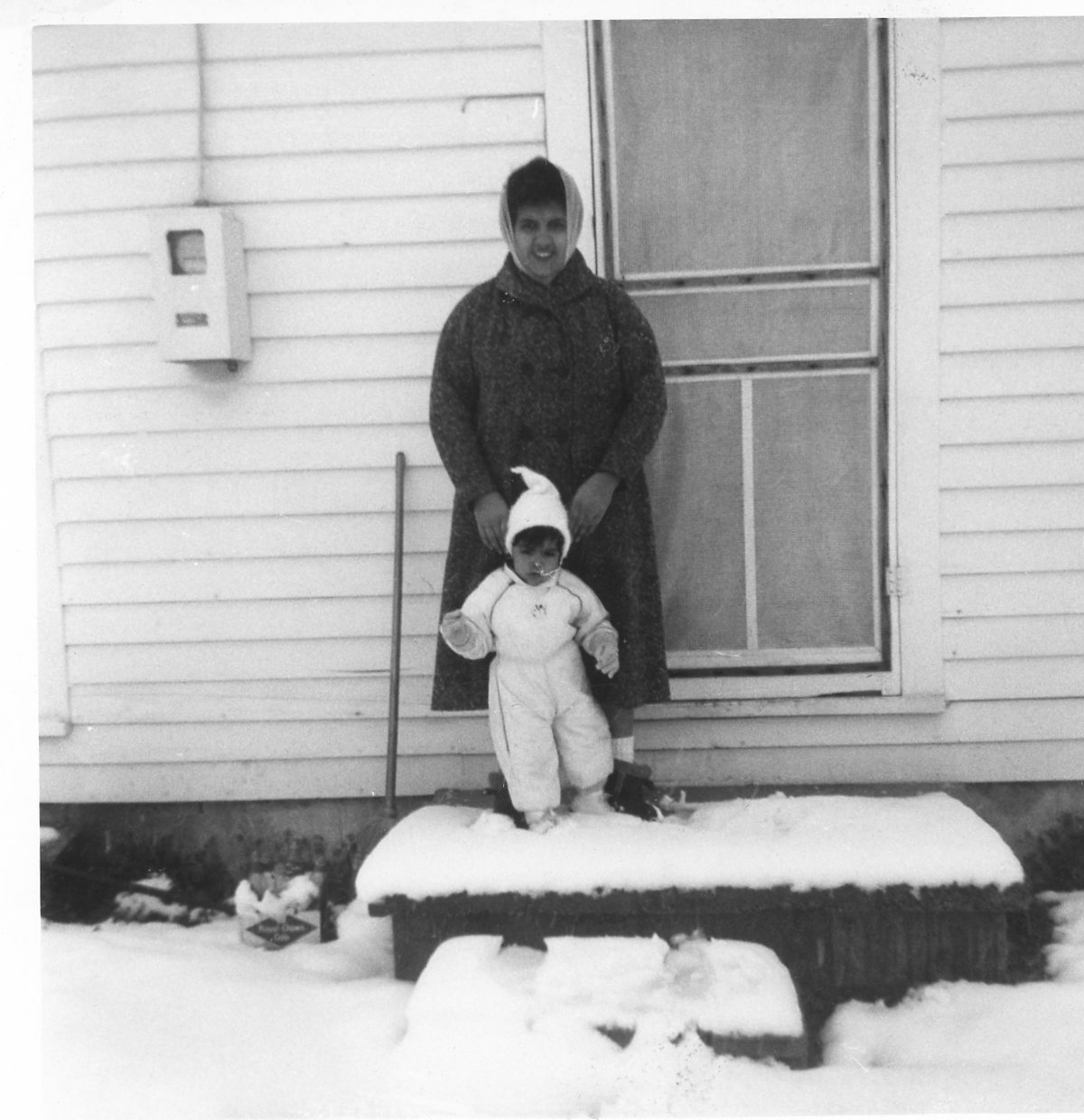
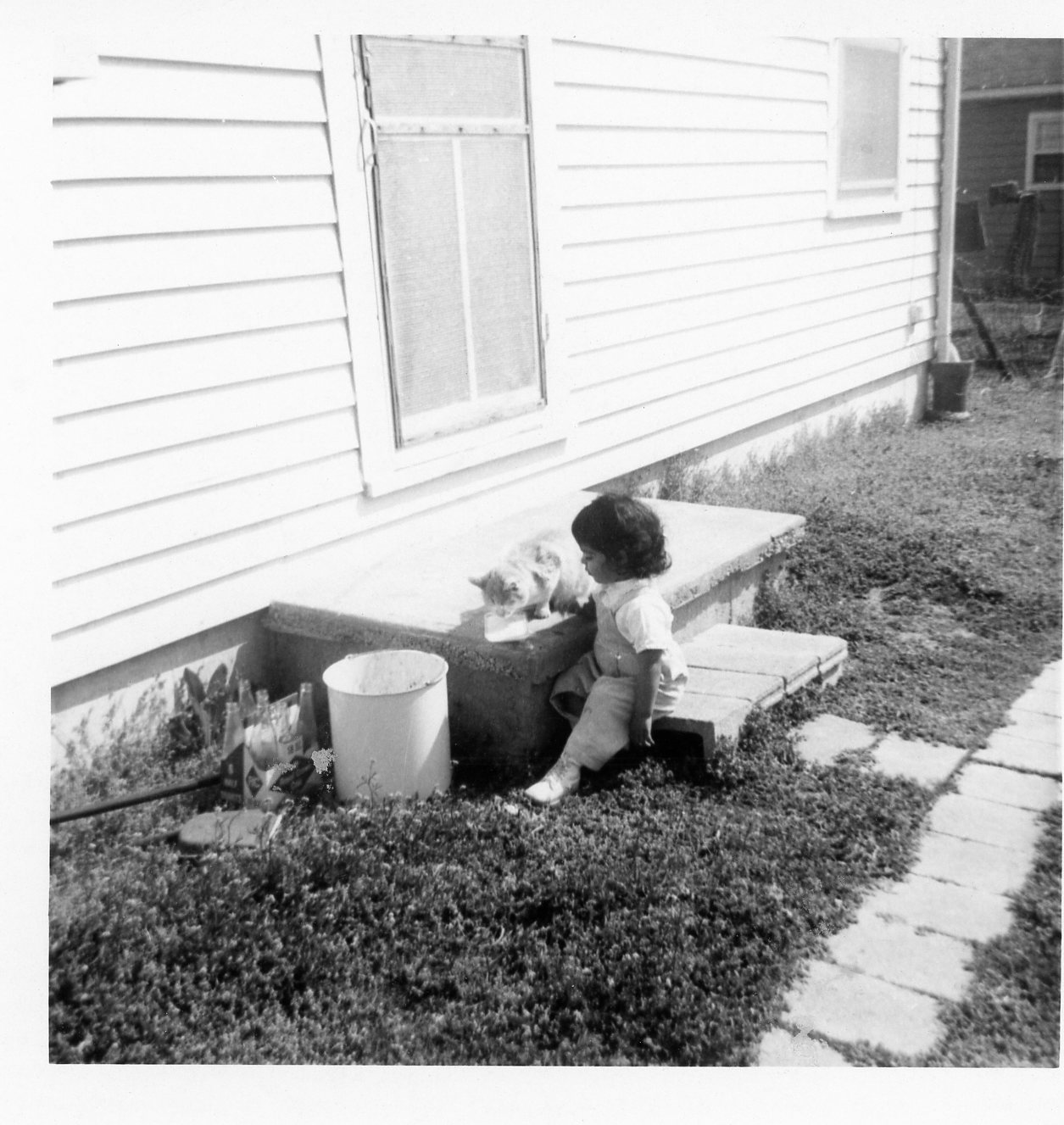
For the first time in a long while, Madeline and I were able to settle into a steady routine. Julie was just turning one and growing fast. We enjoyed exploring our new surroundings together, discovering parks, local shops, and family-friendly neighborhoods. We lived in a cozy two-bedroom duplex in Belton, Missouri. Our neighbors, Dan and Nancy Kelly, instantly fell in love with Julie. We became lifelong friends and later visited them in New Medford, Connecticut. We kept in touch for years, until Nancy passed away and Dan eventually moved to Florida. Dan and Nancy often took Julie shopping and proudly told strangers she was their daughter. Julie, with her beautiful olive complexion, and Dan and Nancy, both white and full of New York charm, certainly turned heads. But they loved to laugh, make jokes, and bring joy wherever they went. I often thought Julie spent more time with them than with us, her own mom and dad! But we didn’t mind. In fact, we were grateful. Julie was surrounded by love and attention, and Dan and Nancy treated her as if she were their own. Their fun-loving personalities brought warmth and laughter into our home, making the transition to Kansas City so much easier.
At work, my responsibilities at the 33rd Air Division grew more complex. I became part of a vast defense network, monitoring radar activity and coordinating communication between multiple sites. Cold War tensions were ever-present, and we had to remain on high alert, ready for anything. Despite the seriousness of the job, I found purpose and pride in our mission. Even with the pressure of my duties, I looked forward to coming home each evening. Madeline had found her rhythm, and Julie was thriving. The base offered family support services, and Madeline quickly made friends with other wives. Now and then, we joined Dan and Nancy for a barbecue or a game night. We still didn’t have much money to go out and have some lavish entertainment in swinging Kansas City so we would have a get together in the back yard. We sure have some fun nights with our Air Force neighbors. That year we all went to see the U.S. Air Force Thunderbirds and the Navy’s Blue Angels at the annual air shows at Richards-Gebaur Air Force Base between Grandview and Belton, Missouri.
Life finally felt balanced, and for the first time in a long while, it felt like home. However, the good times would come 1year and 2 months after my arrival in Kansas City. I received orders to do a remote tour in Alaska; I wasn’t too happy about it and Madeline was also upset. Due to my job and the cold-war we would be required to serve anywhere in the world, at the pleasure of the Air Force. In September of 1961, we again found ourselves on the road to California, Madeline was now expecting our second child and she would stay with her mom and dad and I would go North to Alaska.
Alaska Air Defence Command
711 AC&W Sq. Cape Lisbourne (Liz-1)
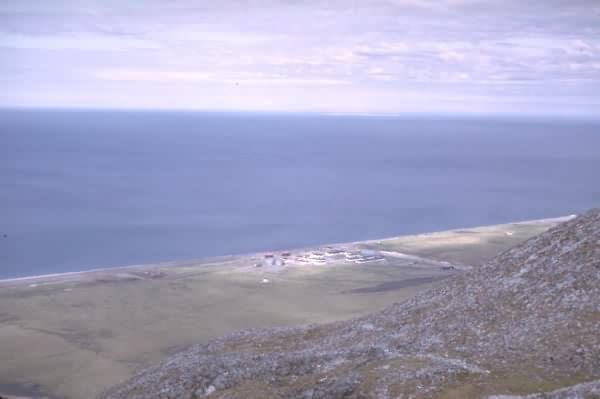
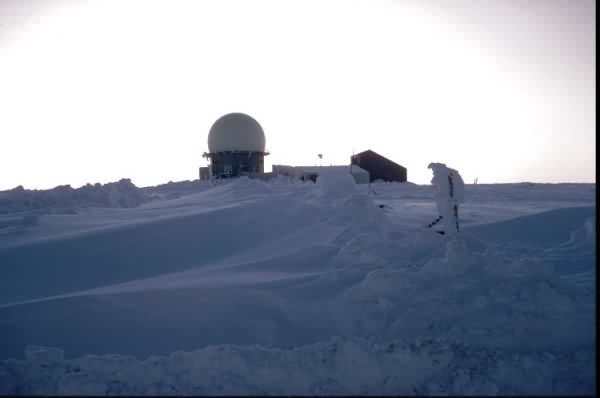
Cape Lisburne, Alaska
In late September of 1961, I received orders for my next assignment. My journey first took me by air to Seattle, Washington, and then on to Anchorage, Alaska. At Elmendorf Air Force Base, I was given my new duty station: the 711th Aircraft Control and Warning Squadron at Cape Lisburne. At that moment, I had no idea where Cape Lisburne was located. When I asked at the assignment office, the only response I got was a half-joking warning: “You’ll be sorry, good luck.” That did little to ease my nerves. Before heading north, I had to complete Arctic survival training. The thought of being stationed in such a remote and unforgiving part of Alaska was daunting, but the training provided me with the basics I would need. With that behind me, I boarded a plane and began the long journey to Cape Lisburne—unaware of just how isolated and challenging this new duty station would be.
Arrival at Cape Lisburne
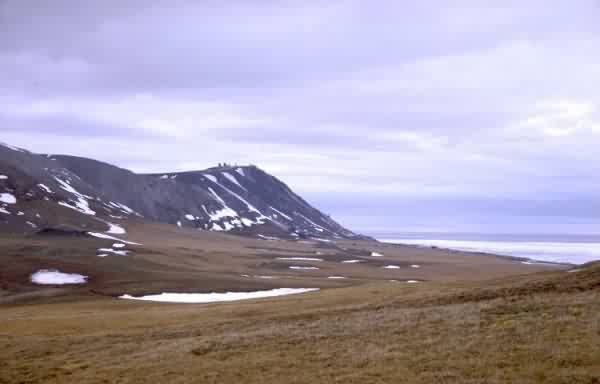
When I finally arrived, I quickly felt the bite of the Arctic air. Even though it was only late September, the cold cut straight through me. Cape Lisburne, also designated LIZ-1 as part of the Distant Early Warning (DEW) Line, would be unlike anything I had experienced before. Cape Lisburne lies at the northwest point of the Lisburne Peninsula on Alaska’s Chukchi Sea coast, about 50 miles northeast of Point Hope. It marks the northwesternmost point of North America in relation to the International Date Line. Its gravel runway allowed for air access, but only for resupply and personnel rotation. The most striking landmark was the steep cliffs rising directly from the Arctic Ocean. the only such area north of the Bering Strait with hills over 1,000 feet above sea level. At the flight line, I saw the man I was sent to replace. He was ready to board the same C-123 that had just dropped me off. Later, I learned why the aircraft didn’t linger long. Because of the constantly changing Arctic weather, flights had to make a quick turnaround—sometimes with only minutes on the ground—before conditions made it impossible to leave.
Life at the Station
On the way to the main buildings, I noticed something unusual: most of the structures were built half-buried into the ground. They weren’t quite underground, but their design helped shield them from the brutal Arctic winds and snow. Once inside, everything was connected by enclosed passageways. You never had to go outside unless you wanted to—or unless your duty required it. This design made life bearable during the long, harsh winter months.
The site had two camps:
- Top Camp housed the radar sets, antennas, and communications equipment. Radar maintenance personnel lived there and often spent long periods isolated from the rest of the squadron during the winter months.
- Bottom Camp contained the radar operations room and all other support functions. This was where I served as crew chief in the secure radar room, overseeing radar operations, the radio room, and crypto communications.
Living accommodations were surprisingly good. Our sleeping quarters were two men to a room, sharing a bathroom with the adjoining room. Meals were excellent right after a resupply, though the quality and quantity declined as spring approached, before the next barge could get through. We also had a large club where we could drink, listen to music, play cards, or just relax, along with a well-equipped gym and sports gear for outdoor activities when weather permitted. Snow tracs were available for exploring the countryside, though if we ventured far, we had to be armed in case of bears or wolves.
Duties and Tensions
My crew consisted of myself, a radar operator, and a radio/teletype operator. Together, we maintained constant surveillance of U.S. and USSR airspace in our sector. Most of the time, it was uneventful—hours passed with little or no air traffic. But whenever the Russians decided to fly, things could become tense very quickly. They conducted reconnaissance missions along the northern routes, and at times even penetrated our airspace. When that happened, we scrambled fighters out of Champion AFB. The Russians often waited until the very last moment before turning back into their own airspace, keeping everyone on edge.
Coping with Isolation
The isolation was difficult. Some airmen coped by taking correspondence courses, while others took up hobbies like woodworking or painting. A few ventured out to explore the wilderness. At Cape Lisburne, we had one individual who was very creative in coping with the isolation at the “Cape.” He invented an imaginary dog that he took everywhere he went. He even made a leash and a collar, and he acted as though it were a real dog. We all played along at times, and it became part of daily life. Sometimes our mail would be delivered by Wein Airlines, and we would all go to the flight line to see the female hostesses on the plane and the passengers on their way to sightsee Point Barrow and the Arctic ice. The airman with his imaginary dog would always be front and center. The civilians would stare and think he was crazy. It was all a big joke, and the aircraft crew and passengers were left bewildered. Overall morale wasn’t bad, we all wanted to go home, but we accepted our duties as part of serving our country. Life was simple, without the conveniences people take for granted today, no cell phones, no internet, no modern entertainment. On rare occasions, we were allowed to use the government communications system to speak with our families. Those brief moments of connection meant everything.
In May, I was able to call home and speak with my wife while she was at the hospital for the birth of our daughter, Yvonne. Once again, I had missed the birth of a child due to military service. My heart ached knowing that Madeline had to endure both births alone, but my love and admiration for her only grew stronger.
Departure and Reflection
After enduring a full year of isolation, I felt prepared for anything. By August, my orders finally arrived, I was scheduled to leave Cape Lisburne and return to more familiar ground. That year of Arctic duty had changed me. I had grown more resilient, more disciplined, and more grateful for the simple blessings of family and home. It was a chapter of sacrifice and growth that I would never forget.