Starting Over and New Career
Life After the Navy
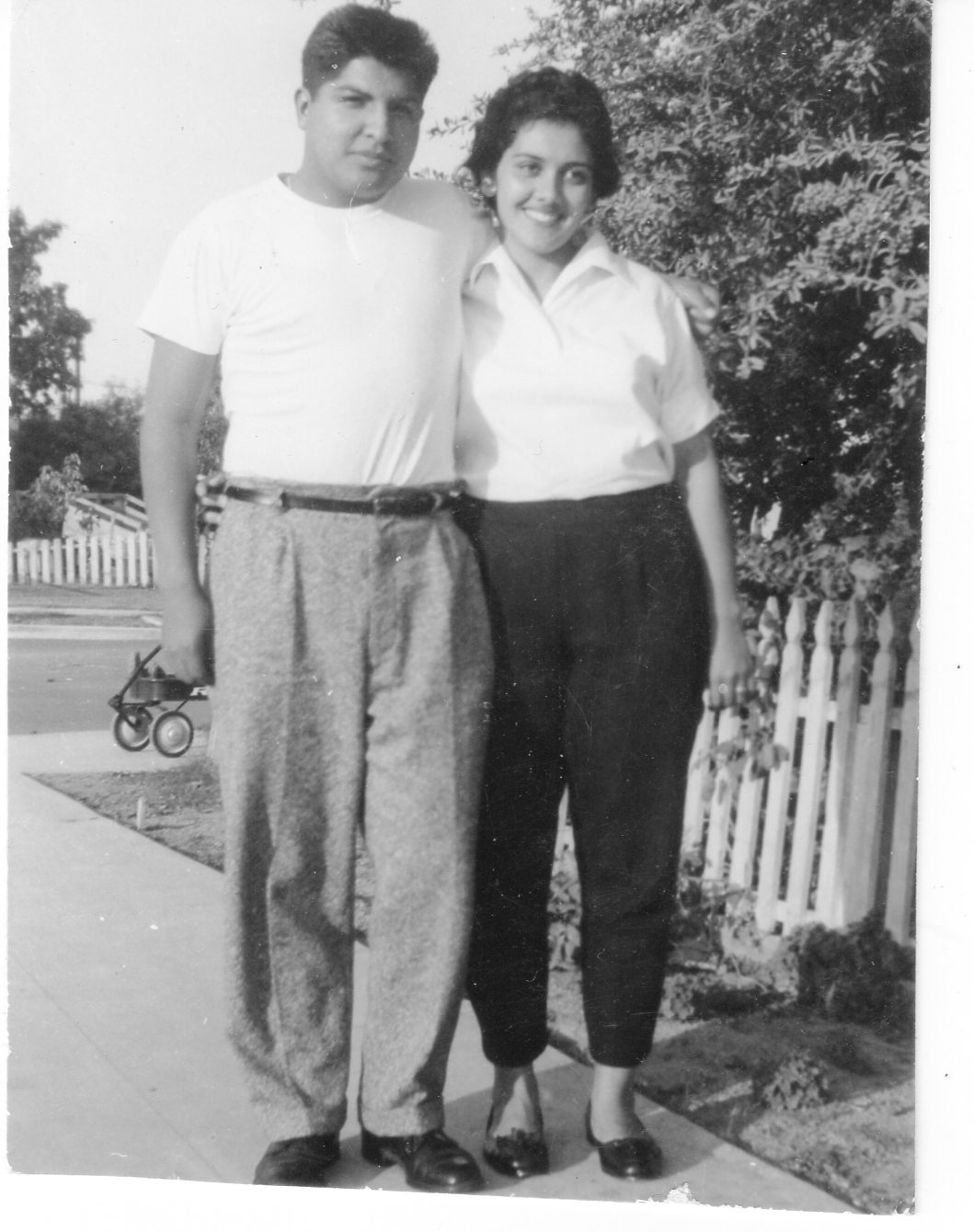
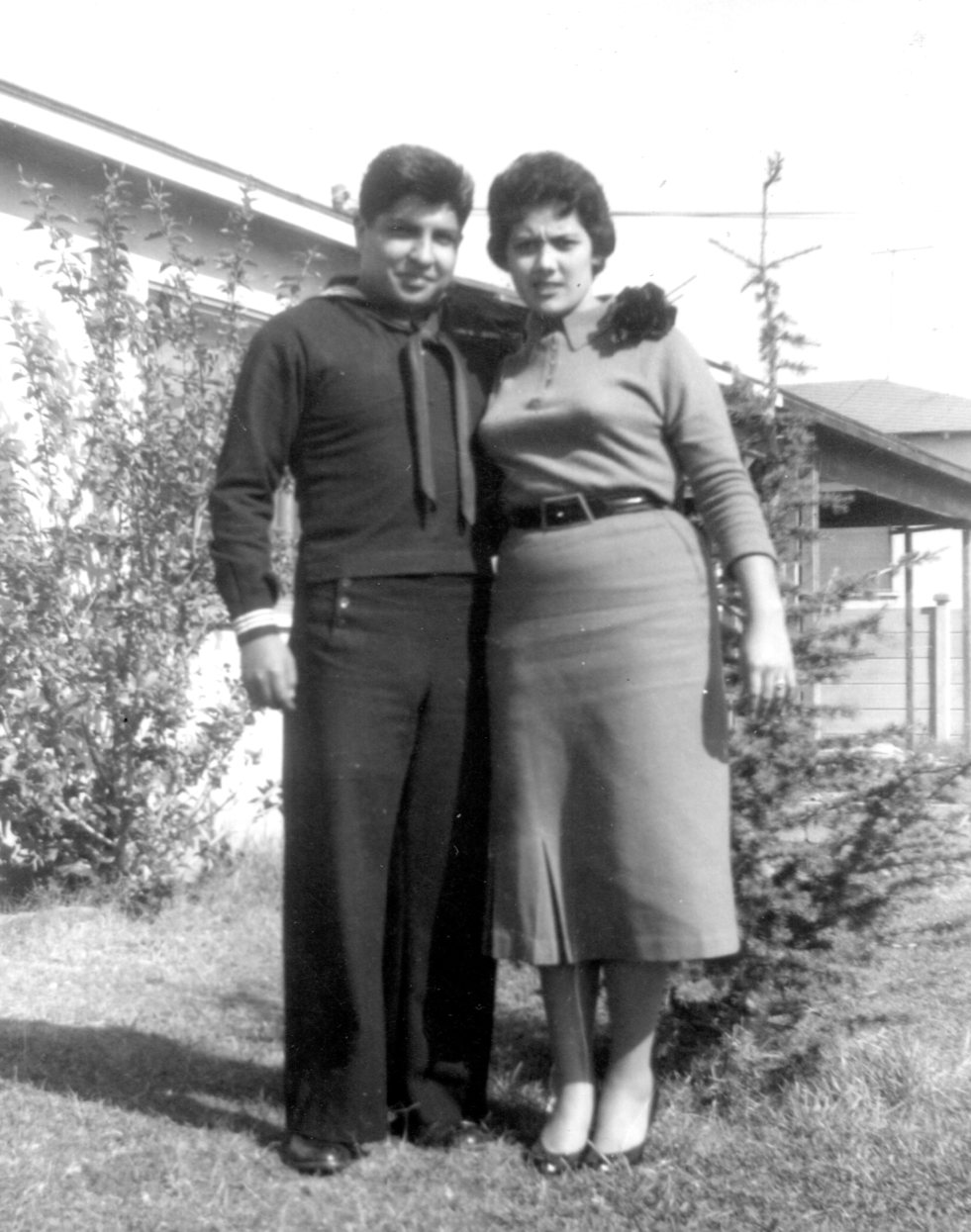
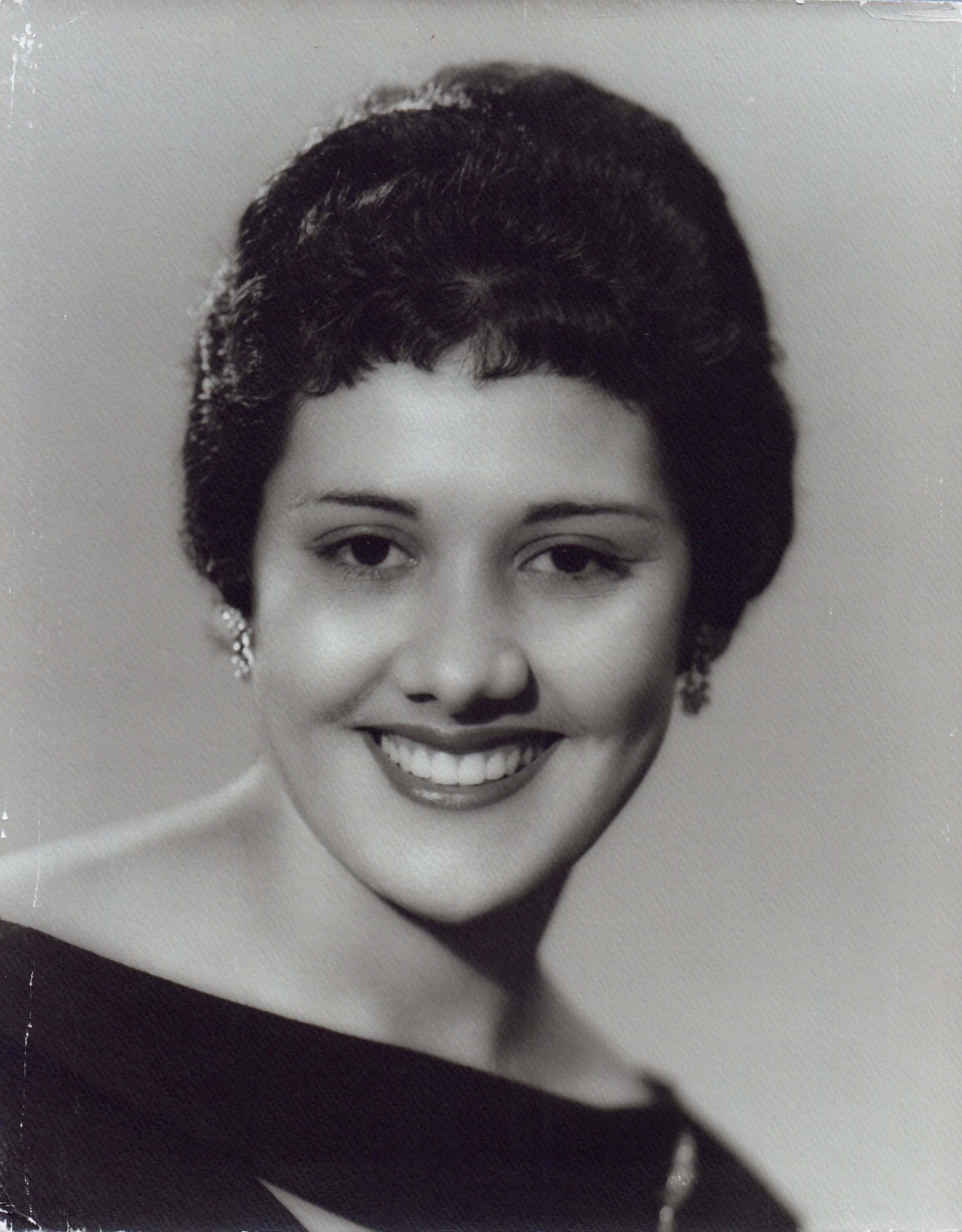
Wilmington California
In 1957, after completing my time in the Navy, I did not go back to Scottsbluff. Instead, I set my sights on California. During my time in the service, I had met a wonderful girl from Wilmington, California. We had talked about getting married, and I knew that if I wanted to build a future with her, I would have to find stable work. But civilian life wasn’t as easy as I had imagined. The country was in the middle of an economic recession, and jobs were hard to come by.
How did I meet Madeline?A little background, Jenny and August Garcia were from Scottsbluff but had moved to San Pedro, California. John Estrada (USMC), Jim Tafoya (USMC), Stanley Poras (USMC), my brother Fred (USN), and I (USN) would often crash at the Garcias’ place when we were off duty. My brother Fred was engaged to Dolores Garcia, Richard’s sister. The Garcia family and Madeline’s family were close friends and often attended social functions together. I first met Madeline in San Pedro, California, shortly after returning from a WestPac (Western Pacific) cruise, I believe it was in August 1957.
Richard Garcia had invited a couple of ladies over to his house and asked me to join him and two of his friends. It was a Saturday, and his parents were out of town for the weekend. That evening, his cousin John Estrada and our friend Jim Tafoya had gone on a date. John stopped by the house to borrow a tie, and when he came in with his date, he introduced me to Madeline. That was the first time we met, just a quick hello, nothing special at the time.
A month later, in September, when my brother Fred and Dolores were having their wedding rehearsals, we were asked to participate as the “parents of the groom.” During that time, Madeline and I started talking, and I quickly realized she was a very special young woman, someone I truly wanted to get to know better. I invited her to be my date for the wedding, and she agreed. From that moment on, the rest is history. A year later, we were married, and we shared sixty-five wonderful years together, until the Lord called her home.
I returned to a civilian world that seemed unfamiliar and indifferent. The structure and discipline of Navy life had been replaced by uncertainty. I no longer had a set schedule, a paycheck every two weeks, or a clear mission. What I did have was determination, and the support of a woman who believed in me. Wilmington was a working-class neighborhood near the Port of Los Angeles. The air smelled of salt, oil, and diesel. It was a different world from Scottsbluff or even the places I had seen during my Navy travels. Her family welcomed me with cautious warmth, and I did my best to earn their respect. I wasn’t just another sailor passing through, I was serious about making a life.
I knocked on doors, followed up on leads, and filled out applications wherever I could. My girlfriend’s grandmother got me a warehouse job at Pan Pacific Fish Canning Company. It was hard work, but not as bad as working the beet and potato fields. Those days in California were a test of patience, humility, and perseverance. I learned to navigate city life, adapt to new routines, and face rejection without giving up. I was no longer just a kid from Nebraska or a Navy man, I was a man in search of his place in the world, trying to build something lasting out of love and hard work.
My girlfriend, Madeline Espinosa, and I decided that we would get married in September of 1958. In order for us to have a better future, I made the decision to rejoin the military, this time, as a career. I told her that if she was going to marry me, she would have to agree to this path. She agreed, and in January of 1958, I returned to active duty in the United States Air Force as an Airman First Class.
New Career USAF
763rd AC&W Air Force Station, New York

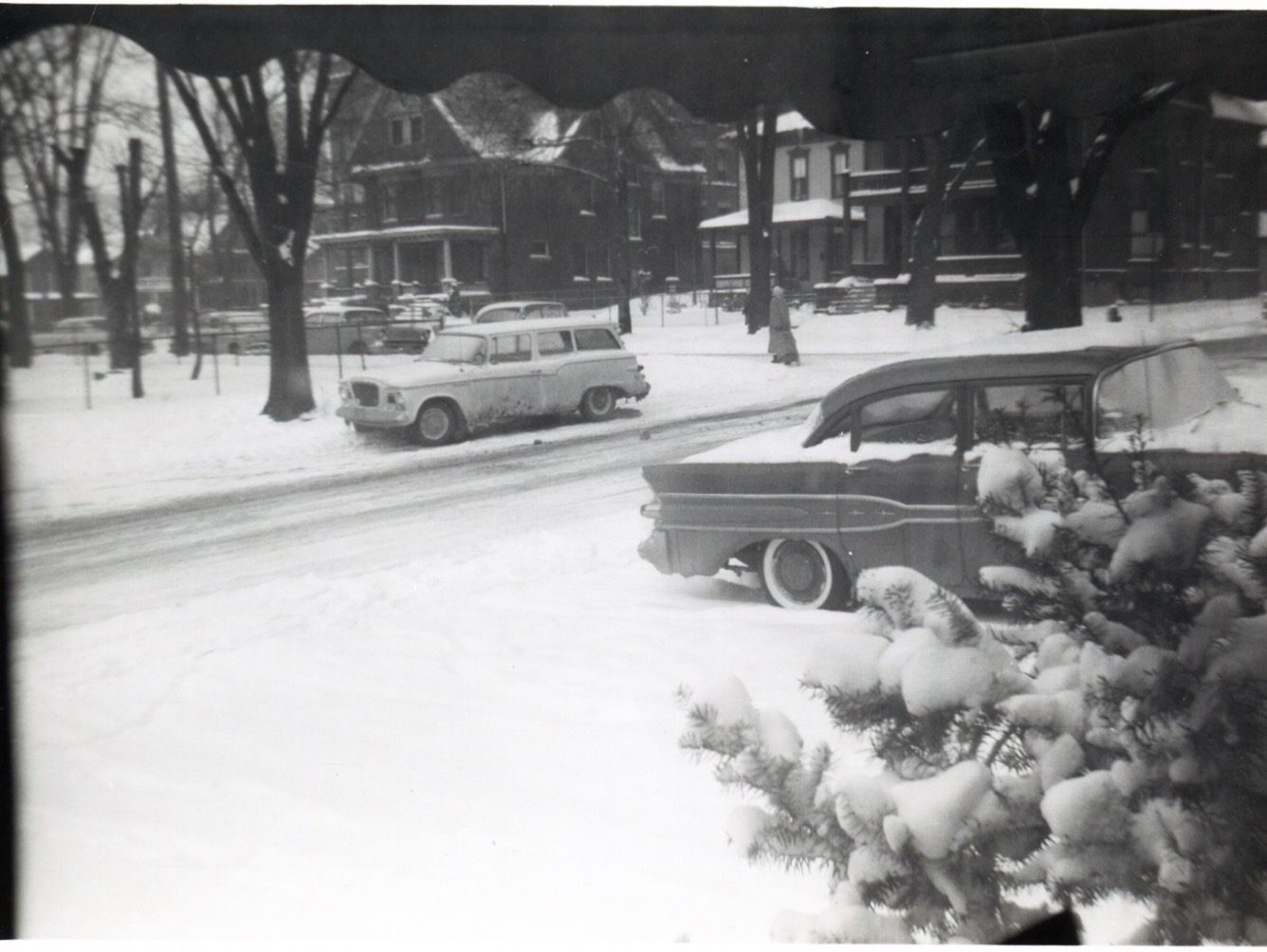
Lockport AFS New York
I was assigned to Lockport Air Force Station in New York as a Radar Air Traffic Control and Warning Operator. Lockport Air Force Station, was located just outside of Buffalo, New York, was a long way from the sunny skies of California. The winters were bitter and unforgiving, with heavy snow and freezing winds that seemed to cut right through you. But the work gave me purpose again. As a Radar Air Traffic Control and Warning Operator, my job was critical to national defense during the Cold War era. We monitored the skies 24 hours a day, tracking aircraft and ensuring that any potential threats were quickly identified. It was a highly technical job that required focus, discipline, and a cool head under pressure. The radar equipment was complex, and there was no room for error. Mistakes could mean the difference between safety and disaster. I took pride in doing the job right and being part of something that truly mattered.
Madeline and I kept in touch through letters and the occasional phone call. Long-distance relationships weren’t easy, but we were committed. She was making plans for our wedding in September, and I was focused on building a stable foundation for our future. The Air Force offered security, benefits, and a career path I could grow into. It wasn’t glamorous, but it was solid and after years of uncertainty, that was exactly what we needed. Despite the cold and the demanding nature of the job, I found a sense of camaraderie among the men stationed there. We came from all over the country, with different backgrounds and stories, but we shared the same mission. We had each other’s backs, and in a place like Lockport, that meant a lot.
My wedding day was almost here, and I had to find a place where my new wife and I could make a home. I finally found a nice, comfy loft in Niagara Falls, New York. On September 12, I boarded an Air Force airplane and began my trip to California. It took two days to finally arrive in Los Angeles, flying aboard a C-47 Air Force transport. We got married on September 20, 1958. It was a beautiful wedding, with her family, my parents, and my sister Inez, who served as our flower girl. We danced and partied into the late hours. When Madeline and I finally left, we were so tired we only made it about 60 miles from her home before stopping for the night. We continued our trip to San Jose, California the next morning.
We didn’t have much money for a real honeymoon, so we decided to take a trip to visit my brother Fred and his wife Dolores Garcia. We drove up in a borrowed car, Madeline’s grandmother Marie Tousseau’s new Oldsmobile. Taking the scenic Pacific Coast Highway (Highway 1), we enjoyed the beautiful views all the way to San Jose. While there, Fred and Dolores took us on a day trip to San Francisco, where we had a great time and enjoyed delicious food at Fisherman’s Wharf. Two days later, we headed back to Wilmington, and once we arrived, we began preparing for our departure to Niagara Falls, New York. In late September 1958, we left Los Angeles for Niagara Falls. It was Madeline’s first time on an airplane, and she was nervous about flying. I held her hand and reassured her that we were safe. It didn’t help much at first, but she was so happy when we landed in Niagara Falls.
I had a few more days before returning to duty, so I showed Madeline around Niagara Falls and Buffalo. We visited the Falls and the local shopping areas, taking in the sights and enjoying our first days together as husband and wife. I returned to work, and Madeline began her duties as a housewife. We both had a lot to learn about each other. It was difficult at first for her to adjust to my work schedule. My job in the Air Force required 24/7 operations, and my shifts rotated every three days. I worked three days from midnight to 8 a.m., three days from 8 a.m. to 4 p.m., and three days from 4 p.m. to midnight. Madeline adjusted quickly. On our days off, we always made time for at least one date night. She eventually found a part-time job to help with our income. I wasn’t making much, and her contribution made a big difference. We settled into our routine and built a happy life, just the two of us. We would spend our first Christmas and New Year together in our small loft in Niagara Falls, NY. 1959 would be a new and very happy and also hard year for both of us.
Life at Lockport AFS was a new kind of reality. The base was cold, and operational 24/7. As a Radar Air Traffic Control and Warning Operator, I was part of a crew responsible for tracking aircraft and monitoring potential threats during the early years of the Cold War. It was serious work that required full attention and precision.
In January of 1959, Madeline surprised me by telling me that we were going to have a baby, possibly in the coming August. I was happy and thrilled, and I was also very surprised. The news gave me a new sense of purpose and excitement. We were going to be parents. It added another layer of meaning to everything I was doing, both at home and on base. We lived off base in our loft in Niagara Falls, and I would commute to Lockport every day, sometimes in heavy snow or freezing rain. Madeline stayed home and took care of the household, slowly adjusting to life as a military wife far from her family. She met a few people and made friends with other military spouses. On weekends, we’d explore the nearby countryside, visit Niagara Falls, or just stay in and watch TV together. Life was simple but fulfilling.
Everything was normal until I was informed that due to our operation being upgraded to a new semiautomatic radar system, fewer people were needed to operate the new technology. Most of us would be reassigned to new radar sites or Air Force bases. I was given a choice: either be sent to a radar Texas Tower 200 miles out in the middle of the ocean or to a new radar station deep in the desert of South Texas. Both of these assignments were unaccompanied tours lasting 18 months, which meant Madeline and I would be separated for that entire time. Having spent almost three years at sea in the Navy, I knew how unpredictable and dangerous the ocean could be. So, I chose Texas, at least in South Texas, I could have Madeline come visit me in Laredo, the nearest city to the radar site.
The camaraderie on base helped. I made friends with other airmen, many of them also newly married and trying to build a life while serving their country. We’d trade stories, support each other during long shifts, and find ways to make the long days go by a little faster. I was quickly promoted to Staff Sergeant, a rank that came with more responsibility. In early spring, we left Niagara Falls in a severe snowstorm that would chase us all the way to Ohio. Madeline would stay in California with her parents while I went on to report to my new radar site in Zapata, Texas.